
Crime scene investigation is a complex, meticulous process where every piece of evidence can be crucial in solving a case. Among the various forensic sciences that assist in this endeavor, detergo forensics plays a vital yet often underappreciated role. Detergo forensics, a specialized branch focusing on the detection, analysis, and interpretation of cleaning agents and residues, can provide critical insights into the activities that occurred at a crime scene. In this blog, we’ll explore the significance of detergo forensics in crime scene investigations and how it contributes to unraveling the truth.
What is Detergo Forensics?
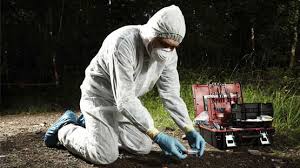
Detergo forensics involves the study and examination of substances used to clean or sanitize a crime scene. This field is particularly important when perpetrators attempt to erase evidence, such as blood, bodily fluids, or other trace materials, in an effort to evade detection. The term “detergo” is derived from the Latin word for “clean,” emphasizing the focus on substances used to cleanse surfaces, objects, and fabrics.
By analyzing these cleaning agents and residues, forensic experts can gather information on the methods used to obscure evidence and sometimes even reconstruct the crime scene to its original state before the cleaning occurred.
The Importance of Detergo Forensics
1. *Detecting Evidence of Cleaning*: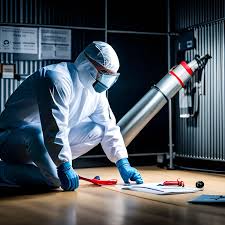
One of the primary roles of detergo forensics is to detect the presence of cleaning agents that might indicate an attempt to tamper with or remove evidence. Many cleaning products contain unique chemical markers that can be identified even after the visible evidence has been wiped away. For example, certain surfactants or bleach compounds might leave behind residues that fluoresce under specific lighting conditions, allowing investigators to spot areas that have been cleaned.
2. *Reconstructing the Crime Scene*:
Through the analysis of these residues, forensic experts can piece together the original state of the crime scene. This can include identifying where blood spatter, fingerprints, or other crucial evidence was located before it was cleaned. This reconstruction can provide investigators with a clearer picture of the sequence of events and help them understand the nature of the crime.
3. *Linking Suspects to the Crime Scene*:
Detergo forensics can also help link suspects to a crime scene. If the same cleaning agents are found both at the crime scene and in a suspect’s possession, this can serve as circumstantial evidence that they were involved in the crime. Additionally, if a suspect’s personal effects, such as clothing or footwear, contain traces of the same cleaning agent used at the scene, this further strengthens the connection.
4. *Counteracting Efforts to Destroy Evidence*:
Criminals often believe that by cleaning a scene, they can destroy all traces of their involvement. However, detergo forensics can counteract these efforts by revealing hidden residues or partially degraded evidence. For instance, even if blood is wiped away, small amounts might seep into porous surfaces or cracks, which can be detected and analyzed by forensic teams.
5. *Providing Insight into the Perpetrator’s Behavior*:
The manner in which a crime scene is cleaned can provide valuable insight into the perpetrator’s behavior and state of mind. For example, a hasty, incomplete cleaning might suggest panic or a lack of planning, while a meticulously cleaned scene could indicate a methodical and calculated approach. This behavioral analysis can be crucial in building a psychological profile of the suspect.
Real-World Applications
Detergo forensics has been instrumental in solving numerous high-profile cases where perpetrators attempted to clean up after committing a crime. In one notable case, investigators were able to identify traces of blood that had been cleaned with bleach. By analyzing the residue left behind, they could confirm that a violent crime had occurred and match the blood to the victim, even though the scene appeared pristine to the naked eye.
In another case, the forensic team discovered detergent residues on a suspect’s clothing that matched those found at a crime scene. This connection played a key role in securing a conviction, demonstrating the power of detergo forensics in linking individuals to criminal activities.
Conclusion
Detergo forensics is an essential component of modern crime scene investigation, offering a unique perspective that other forensic disciplines might overlook. By detecting and analyzing cleaning agents and residues, forensic experts can uncover hidden evidence, reconstruct crime scenes, and link suspects to their crimes. As criminals continue to devise new ways to cover their tracks, detergo forensics will remain a critical tool in the pursuit of justice.